Luxury Travel Tokyo
Tokyo is one of the most rewarding luxury destinations on earth, combining Michelin-dense dining, flawless service culture, and a depth of experience that rewards travellers willing to invest in quality over quantity. Whether you're arriving for the first time or returning for a deeper cut, the city delivers premium moments at every turn — if you know exactly where to look.
What Are the Best Luxury Experiences to Book in Tokyo Right Now?
The single best luxury experience to book in Tokyo is the Tokyo First Class Sake & Sushi Tasting a curated evening rated 4.9★ across 1,200 reviews that pairs premium nigiri with expertly selected sake in an intimate setting. At $195 per person, it sits at the top end of Tokyo food experiences — and justifiably so.
Tokyo's luxury offering spans far beyond one evening, however. The city rewards travellers who treat each neighbourhood as its own micro-destination, moving between the refined and the radical with ease.
How Much Does a First-Class Sake and Sushi Experience Cost in Tokyo?
The Tokyo First Class Sake & Sushi Tasting costs $195 per person and consistently earns its price point through exceptional curation, knowledgeable hosts, and access to sake varieties not found on standard tourist itineraries. With 1,200 verified reviews averaging 4.9★, it ranks among the highest-rated food experiences in the city.
For context, a comparable omakase dinner at a Michelin-starred Tokyo restaurant typically runs ¥30,000–¥80,000 ($200–$530) per person without drinks — making this tasting an efficient gateway into Tokyo's elite food culture without requiring months of advance reservations.
Is Tokyo's Tsukiji Market Worth Visiting on a Luxury Trip?
Even for high-budget travellers, the Tsukiji Outer Market Food Tour is worth building into any Tokyo itinerary. Priced at $72 per person with a 4.8★ rating across 5,200 reviews, it offers something money alone cannot replicate: unfiltered access to the culture, relationships, and flavour logic that underpin Tokyo's world-class food scene.
Tsukiji is no longer the site of the famous tuna auction (that moved to Toyosu), but the Outer Market remains a living institution. An expert-led tour translates what can otherwise feel like an overwhelming sensory environment into a genuinely educational premium experience — one that will fundamentally change how you eat and order for the rest of your trip.
What Should High-End Travellers Do Beyond Dining in Tokyo?
Luxury travel in Tokyo isn't defined solely by food. The city's subcultures — electronics, fashion, anime, architecture — are equally sophisticated, and guided access unlocks layers that solo exploration rarely reaches.
The Akihabara Anime & Tech Deep Dive ($58/person, 4.7★, 2,800 reviews) is particularly well-suited to design-literate, culturally curious travellers. Akihabara is not a theme park — it's a living ecosystem of rare collectibles, cutting-edge consumer electronics, and subculture communities with decades of history. A knowledgeable guide transforms a potentially overwhelming neighbourhood into a structured, fascinating experience.
For a contrast in aesthetic energy, the Harajuku Fashion & Ramen Walk ($49/person, 4.6★, 3,400 reviews) covers one of Tokyo's most visually distinctive neighbourhoods before anchoring the afternoon in a bowl of serious ramen. Harajuku's fashion identity is globally referenced but locally nuanced — the difference between understanding it and merely photographing it is significant.
What Are the Best Luxury Hotels in Tokyo?
Tokyo's hotel landscape is elite by global standards. The Aman Tokyo (Otemachi) and The Peninsula Tokyo (Hibiya) consistently rank as the city's leading ultra-luxury properties, both offering immaculate service, exceptional spa facilities, and proximity to key cultural districts. The Park Hyatt Tokyo in Shinjuku — made famous by Lost in Translation — remains a benchmark for skyline views and design-forward rooms.
For travellers who prefer a more intimate, culturally immersive stay, traditional ryokan experiences are available within Tokyo's city limits, with properties like Hoshinoya Tokyo offering kaiseki cuisine, onsen baths, and tatami rooms within a modern high-rise framework.
How Do You Get to Tokyo from the UK or US?
Tokyo is served by two major international airports: Narita International Airport (NRT) and Haneda Airport (HND). Haneda is closer to central Tokyo and preferred by most frequent travellers; Narita handles higher volumes of long-haul international flights.
Direct flights from London Heathrow to Tokyo Haneda are available year-round with carriers including Japan Airlines and British Airways, with journey times around 12 hours. From the US, direct routes operate from Los Angeles, New York, San Francisco, Chicago, and Seattle.
For the best fares and scheduling across carriers, use Skyscanner to compare options: Book from the UK | Book from the US.
Business class on Japan Airlines and ANA is widely regarded as among the best long-haul products available, making the Tokyo flight itself a meaningful part of a luxury travel experience.
FAQ
What is the best luxury food experience in Tokyo? The Tokyo First Class Sake & Sushi Tasting ($195/person, 4.9★, 1,200 reviews) is the top-rated premium food experience in Tokyo available to book in advance. It combines expert sake selection with high-grade sushi in a curated, intimate format.
Is luxury travel in Tokyo expensive compared to other world cities? Tokyo sits in the mid-to-upper range for global luxury destinations. Premium dining, hotels, and experiences are priced comparably to London or New York, but Tokyo frequently delivers a higher standard of service and attention to detail at equivalent price points. Budget $400–$800 per day per person for a fully premium experience including accommodation, dining, and activities.
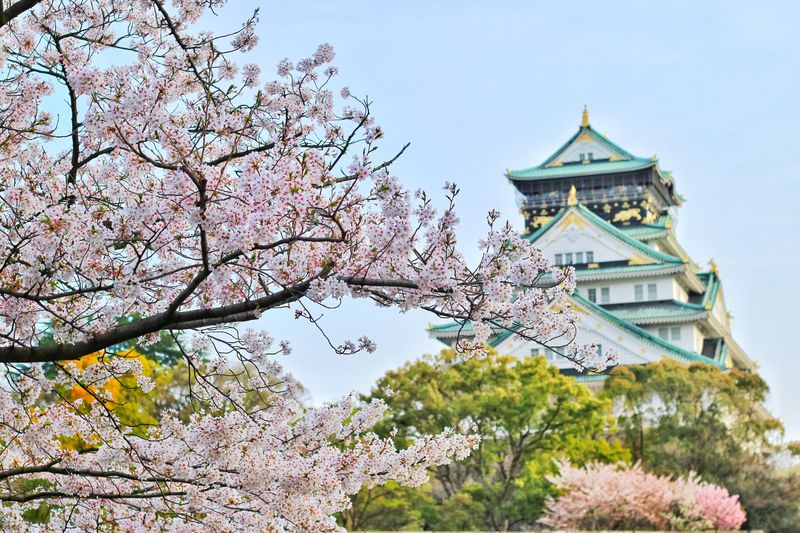
When is the best time to visit Tokyo for a luxury trip? April (cherry blossom season) and November (autumn foliage) are peak luxury travel periods in Tokyo, offering the most visually dramatic backdrop for the city. Both periods book out quickly — reserve hotels and dining at least three to six months in advance. October is an excellent alternative with comfortable temperatures and fewer crowds.
Do Tokyo luxury experiences require advance booking? Yes. Top-rated experiences like the Tokyo First Class Sake & Sushi Tasting regularly sell out weeks ahead, particularly during cherry blossom season (late March to early April) and Golden Week (late April to early May). Booking at least two to four weeks in advance is strongly recommended for any high-demand experience.